

“My kids are behind!”
As a homeschooler, have you not had the same thought at least once?!
I know I did, at least once.
It’s easy to let your mind go there. Maybe you’ve been told that a friend’s schooled children, who are similar ages to your own, have met certain milestones which your children haven’t even gotten close to reaching.
Maybe you have a first grader who is not reading yet because you are wisely waiting for the developmental “reading-readiness” signs before teaching him.
On the other hand, your friend’s child of the same age is already reading early-reader books.
Maybe you haven’t taught your child the days of the week yet, but your friend’s child received an “A” for a spelling test on them.
Whatever the comparison is it’s critical to your confidence while homeschooling to remember that homeschooled children are on a different trajectory than their schooled peers.
Instead of falling into the trap of comparing your children, focus on the unusual things they have done or the particular interests they’ve developed because they’re homeschooling.
“To be nobody but yourself in a world which is doing its best, night and day, to make you everybody else means to fight the hardest battle which any human being can fight; and never stop fighting.”
Maybe your eight-year-old son has learned 20 poems by heart or maybe he’s fallen in love with ancient history or maybe he’s memorized his list of prepositions!
Maybe your son has been creating things like the homeschooled boy I knew who had a collection of knives that he’d carved out of wood.
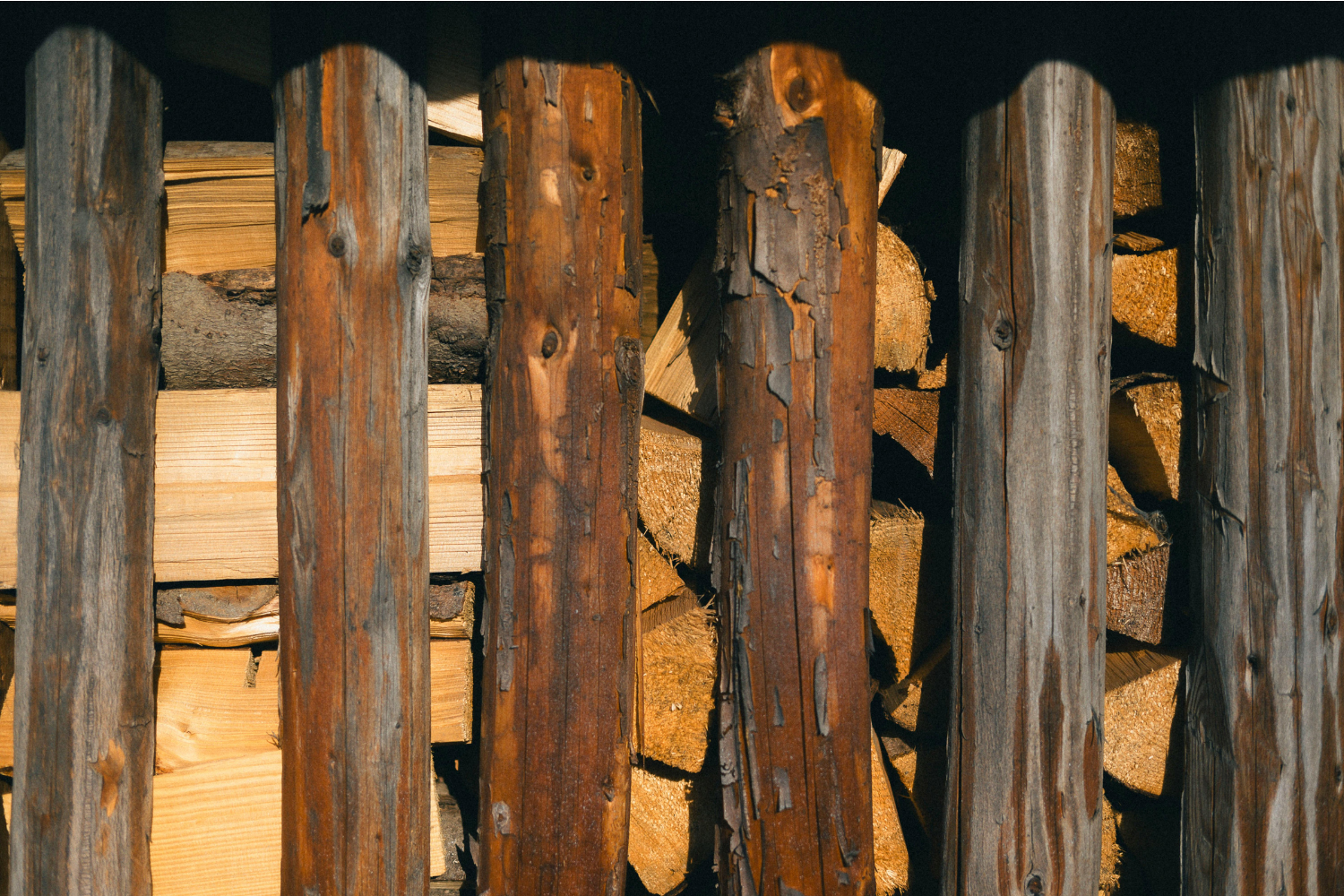
The woodwork may seem irrelevant compared to reading competency, but it’s not. This boy developed a passion in woodwork. A lot of children lack passion but possessing passion is what motivates us and propels us towards excellence.
We become great at the things we love doing, i.e., have a passion for.
My woodworker also developed his fine motor skills, because it requires a lot of precision and control over the hands and fingers to carve wood with a knife.
He learned perseverance because he not only carved out one knife, but he had a collection of his hand-made knives. And there were daggers too, because he had also educated himself on the different kinds of knives in the world.
Confidence is another quality children develop when they learn to do things well, and confidence is another critical trait which allows people to accept beneficial challenges in life without being crippled by fear.

Just because your child is learning something that isn’t a part of the public school curriculum doesn’t make it useless, and it certainly doesn’t put him behind.
Furthermore, if your children believe they are behind, it will make them anxious. I made the mistake of doing this once and regretted it.
As a homeschooled child, assuming you are homeschooling my way, he’ll eventually learn everything he needs to learn in order to graduate and go on to college, but he’ll learn them in the trajectory you lay out for him, not the public school.
And he probably won’t learn them at the same time as his schooled peers.
Let’s not forget either that there are a lot of things children do in public schools that are useless, such as reading silly books and preparing for and taking standardized tests.
On the bright side, the comparison trap is usually limited to the early years of a homeschooled child’s education.
Around the age of nine or ten, family and friends will begin to notice that your children are different, in a praiseworthy way. They are curious, they love learning, they have lively conversations with adults, and they tend to be polite and respectful.
By age nine or ten, homeschooled children tend to know more than public-school kids, such as grammar, good literature, stories of history, and science facts. Most likely they are also learning to play a musical instrument and speak a foreign language. They usually can recite poetry from memory too.

Until then, however, you’ve got to be patient and keep your blinders on. Become a homeschooling race horse. Not that you’re in a race,—you’re not—but to get to the finish line horses wear blinders, so they don’t become distracted or steer off course.
You don’t want to be distracted by what other’s people’s children are or are not doing; keep your blinders on and stay focused on your own.
Comparison is your enemy when you’re homeschooling. Focus on what your children are doing, not on whether or not they’re doing the same things as their public schooled peers.
A word of caution: if they are doing the same things, you may need to reconsider your approach to homeschooling.
Have a sound homeschooling plan, focus on instilling good learning habits in your children, and these habits will lead to their success.
Don’t worry about what their public schooled peers are doing because there’s nothing to worry about.
As long as you are homeschooling with sound methods, your children will always learn much more than their schooled peers—research shows this to be true.
With no fault on the teachers, and all of the fault on the system, if you have moments of self doubt, always remember that you cannot do worse than public school!
Not sure what kind of books to buy your children? Get Liz’s list of Ten Books Every Well-Educated Child Should Read.
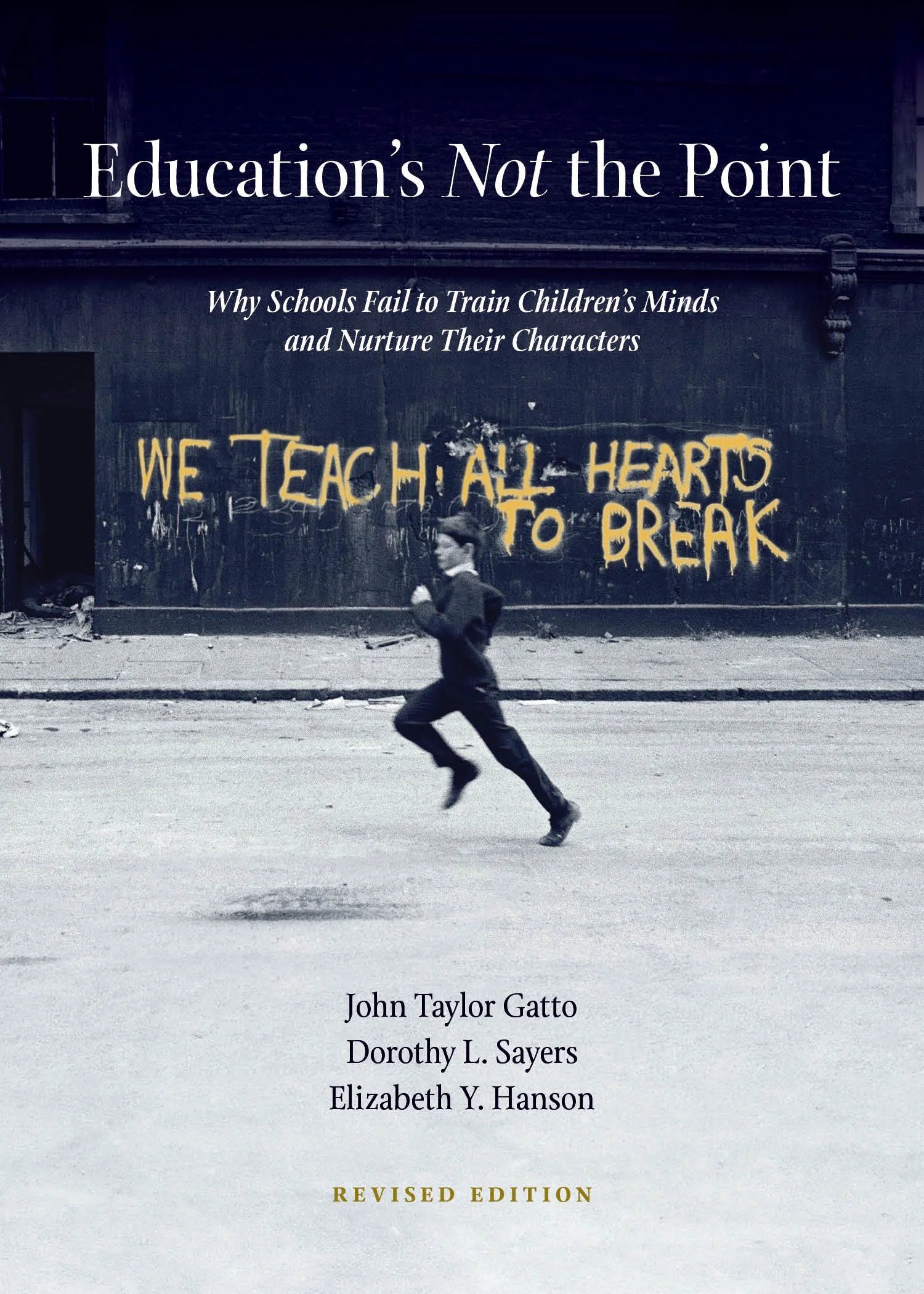
Do you have Liz’s “could not live without” book, Education’s Not the Point: How Schools Fail to Train Children’s Minds and Nurture Their Characters with gripping essays by John Taylor Gatto and Dorothy Sayers?
Teach your child to read before sending him to school! Learn more about Elizabeth's unique course, How to Teach Your Child to Read and Raise a Child Who Loves to Read.

Elizabeth Y. Hanson helps parents raise and educate , creative, resourceful, and respectful children by combining timeless wisdom with modern research.
As an educator, writer, and Love and Leadership Certified Parenting Coach, she specializes in guiding families through their children’s early years and homeschooling journey.
Liz is a homeschooling thought-leader, as well as the creator of three unique online courses:
Whether you're navigating early childhood, considering homeschooling, or wanting to nurture a genuine love of learning in your child, Liz offers practical guidance rooted in proven principles.
Elizabeth is available for one-on-one consultations as needed.
"I know Elizabeth Y. Hanson as a remarkably intelligent, highly sensitive woman with a moral nature and deep insight into differences between schooling and education. Elizabeth's mastery of current educational difficulties is a testimony to her comprehensive understanding of the competing worlds of schooling and education. She has a good heart and a good head. What more can I say?”
—John Taylor Gatto Distinguished educator, public speaker, and best-selling author of Dumbing Us Down: The Hidden Curriculum of Compulsory Schooling