The Secret Ingredient of Gratitude

Thanksgiving is a holiday of gratitude, and it's a day that serves as a reminder to count our blessings.

What is astounding about blessings is that once we start naming them, where do we stop? Blessings are infinite, and we all have plenty of them.

That doesn't mean that life is always easy, but no matter how difficult our lives can seem at times, there is always plenty to be grateful for. 

It’s rigged — everything, in your favor.
So there is nothing to worry about.
— Rumi

Coming from America, a country that's considered wealthy on an international scale, one thing I learned from the people in poor countries is that gratitude has nothing to do with what we "have," but it has everything to do with who we are. 

I learned this in Casablanca from a woman who was a student in a French class I was taking. One day, after we'd been studying together for a few months, she invited me to her home for lunch. 

Was I in for a shock.

I found myself walking to her house through tiny passageways that led into a part of town I didn't even know existed. It was the ‘poorer-than-poor’ section. 

As the streets grew narrower and narrower, my level of surprise by the extreme poverty climbed higher and higher. And that was when I found #52, my friend's house. The entire home consisted of  two tiny rooms about the total size of my bedroom. I was told that 10 family members lived there.

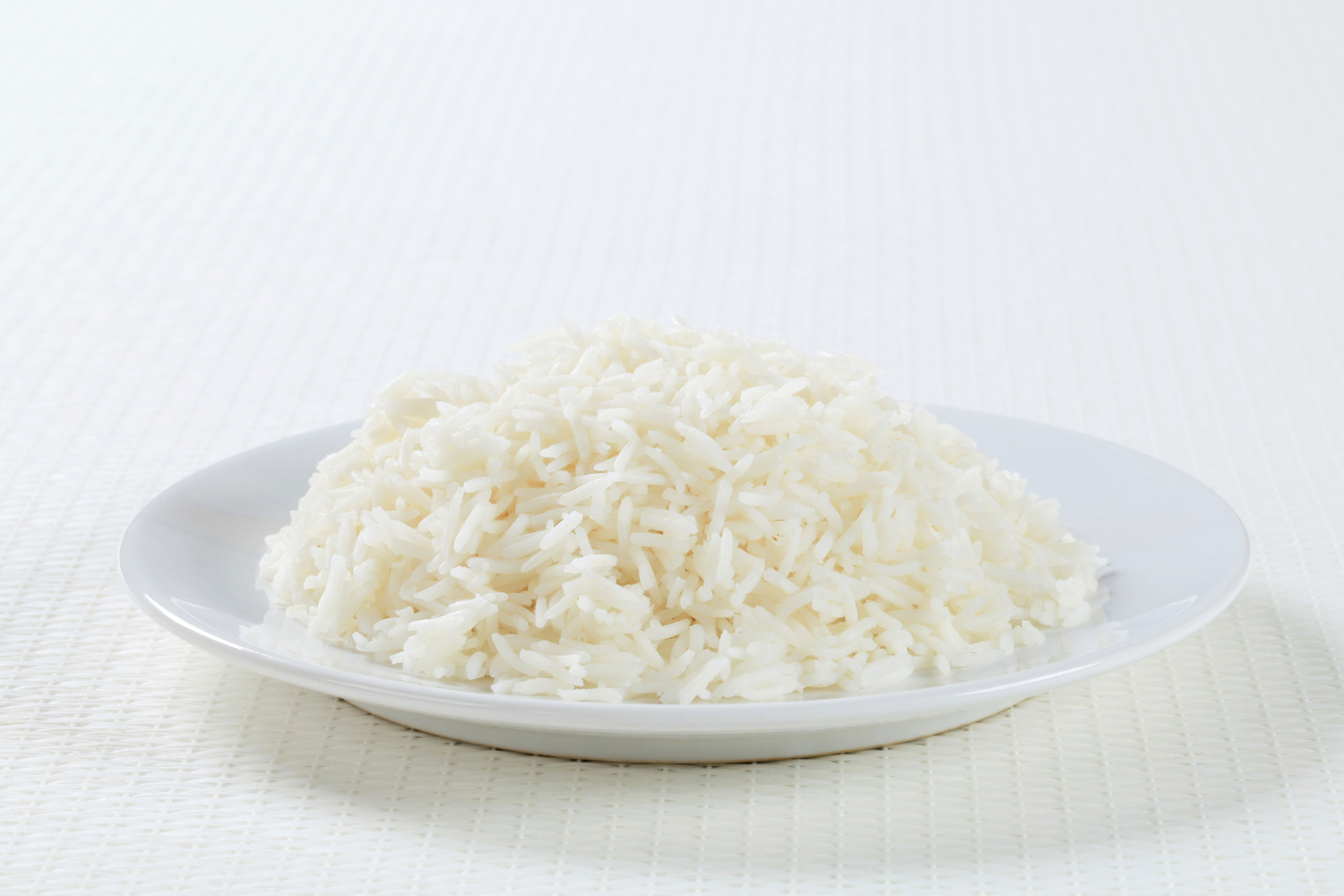
We had a plate of rice for lunch. 

Be grateful for your life, every detail of it, and your face will come to shine like a sun, and everyone who sees it will be made glad and peaceful.
— Rumi

At first, I found it slightly odd that someone would invite me to lunch when they didn't have any food other than rice to eat.

In the very next instant, I saw how incredibly generous it was that someone had invited me to lunch when all they had to eat was rice! 

Their generosity overwhelmed me.
It's a memory that has always stayed with me because it was the event in my life where I learned the meaning of real gratitude.

It’s not just about counting our blessings, though it’s helpful to reflect on them, and we definitely want to help our children learn to ponder the wonderment of their blessings.

But true gratitude comes from the joy of being alive, even if you only have a plate of rice to eat.

Because life, in and of itself, is the crown of all blessings.

I know there is a gold mine in you, when you find it
the wonderment of the earth’s gifts
you will lay aside
as naturally as does
a child a
doll.
— Rumi

There will come a moment when we will still have all of the stuff, but we will have lost our lives.

So when Rumi tells us to be grateful for every detail, he really means every detail.

Don’t miss your free download:
Get a copy of Liz’s “could not homeschool without” book, Education’s Not the Point: How Schools Fail to Train Children’s Minds and Nurture Their Characters with Essays by John Taylor Gatto and Dorothy Sayers.

Buy now

About Elizabeth Y. Hanson

Liz Hanson helps parents raise and educate whole children by bridging timeless wisdom with modern research.

As an educator, writer, and Love and Leadership Certified Parenting Coach with 23 years of experience, Liz specializes in guiding families through the transformative early years and the homeschooling journey. After successfully homeschooling her own children, she now devotes her expertise to helping other parents get it right from the start.

Liz is a homeschooling thought-leader, as well as the creator of three unique online courses:

Whether you're navigating early childhood, considering homeschooling, or wanting to nurture a genuine love of learning in your child, Liz offers practical guidance rooted in proven principles.

One-on-one consultations available.

"I know Elizabeth Hanson as a remarkably intelligent, highly sensitive woman with a moral nature and deep insight into differences between schooling and education. Elizabeth's mastery of current educational difficulties is a testimony to her comprehensive understanding of the competing worlds of schooling and education. She has a good heart and a good head. What more can I say?”

John Taylor Gatto Distinguished educator, public speaker, and best-selling author of Dumbing Us Down: The Hidden Curriculum of Compulsory Schooling. For a copy of The Short Angry History of Compulsory Schooling, click here.

Raising Children Who Will Be in Demand Later

Today, I came upon a reference book on Amazon that I wanted to buy. But I didn't buy it because it was a paperback book selling for $35.00, even for a used copy.

Why?

It was overpriced because it had sold out only a few years after being published. "How strange," thought I, that a book on the subject of creativity would be in such demand—or was it strange?

Raising children in the 21st century of massive technology and a dumbed-down education is a perfect recipe for raising dull children. 

THE IRONY

Twenty-first-century parents make decisions around technology and education for their children, and then they buy books, such as the one mentioned above, to correct the problems their decisions produce.

Why not prevent the problems in the first place? 

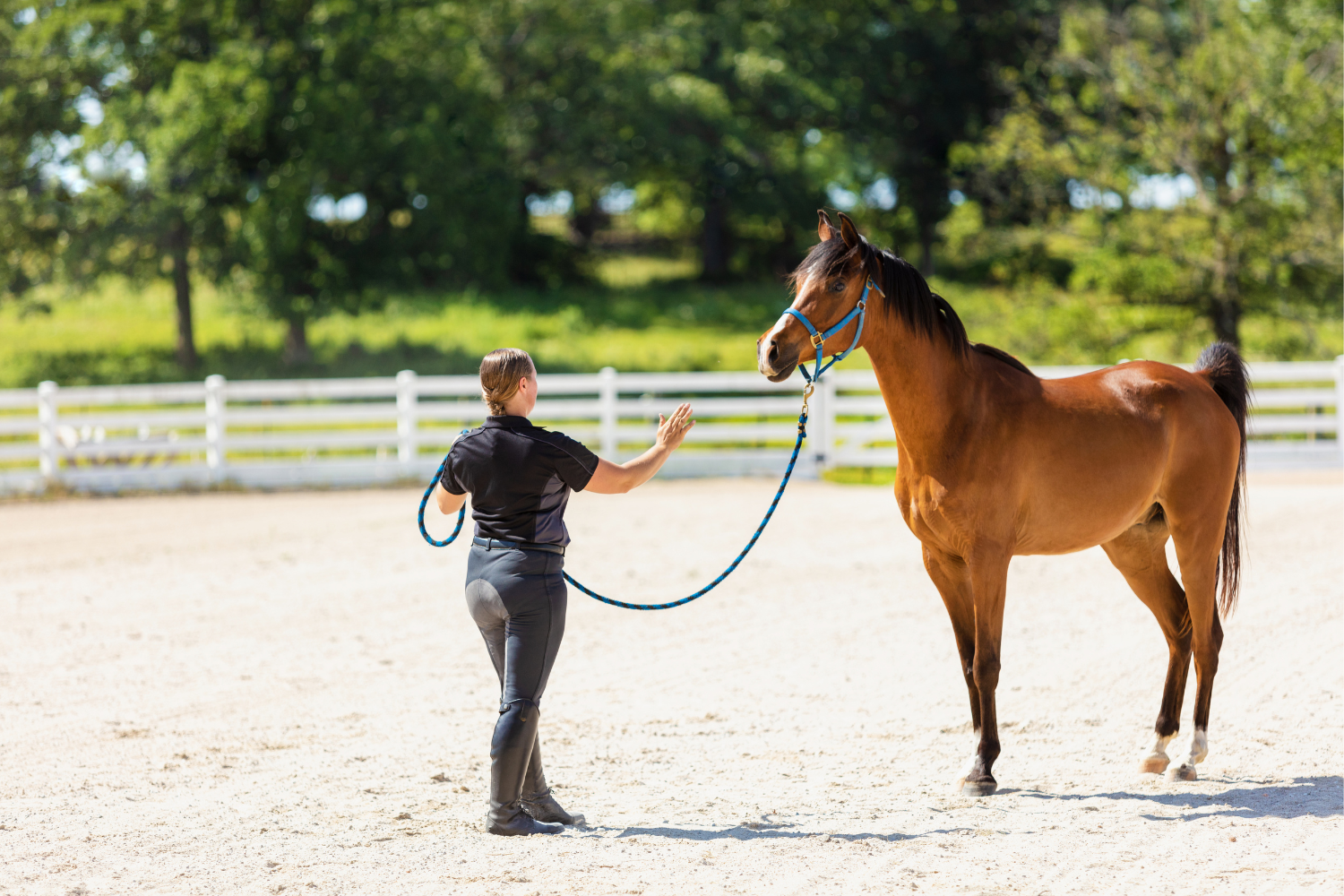
If you want to train a racehorse, you don't raise him to be out of shape and then try to fix the problem later—by then, it's too late. No, you train him from the beginning to become the best racehorse he can possibly be.

It's the same thing with our children. Creativity is innate to each of us, and it is a large part of what makes our lives rewarding and interesting. Creativity is one of the key qualities that will aid our children in becoming their very best. 

And children who are raised to function at their optimal levels—to become their very best—will be the children who are in demand later.

The formula is pretty simple: if you want to raise a creative, independent-thinking innovative child, do the opposite of what everyone else is doing.

EARLY YEAR’S HABITS

Don't coddle your children, but raise them instead to be independent of you. After all, your job is to teach them how to function as an adult so they can live a rewarding life.

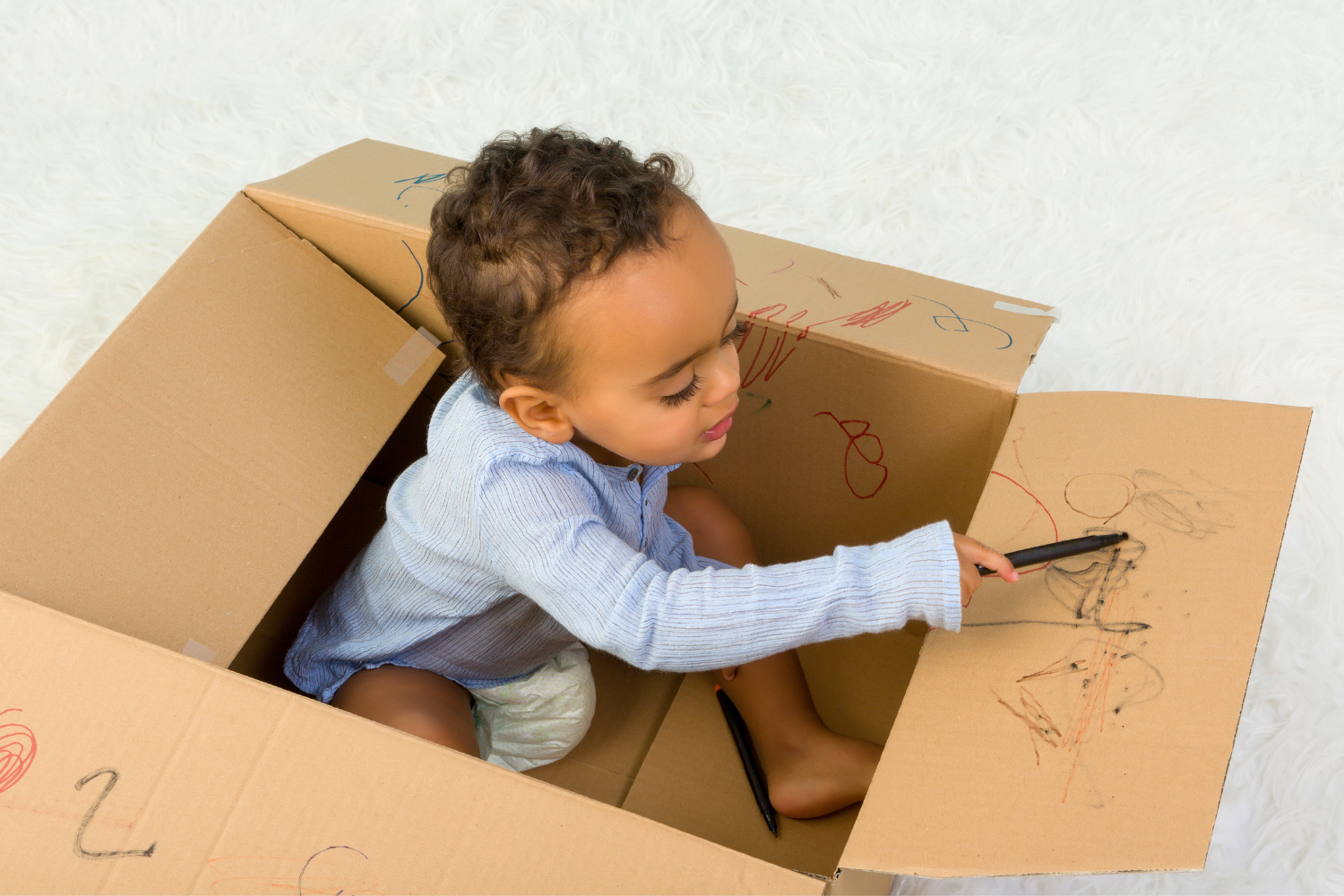
For example, as early as two years, lay snacks out on their kid-size table and teach them that when they want a snack, they can get it themselves. Teach them how to get a cup of water when they are thirsty, which you also set up on the kid-size table, spill-proof, of course. 

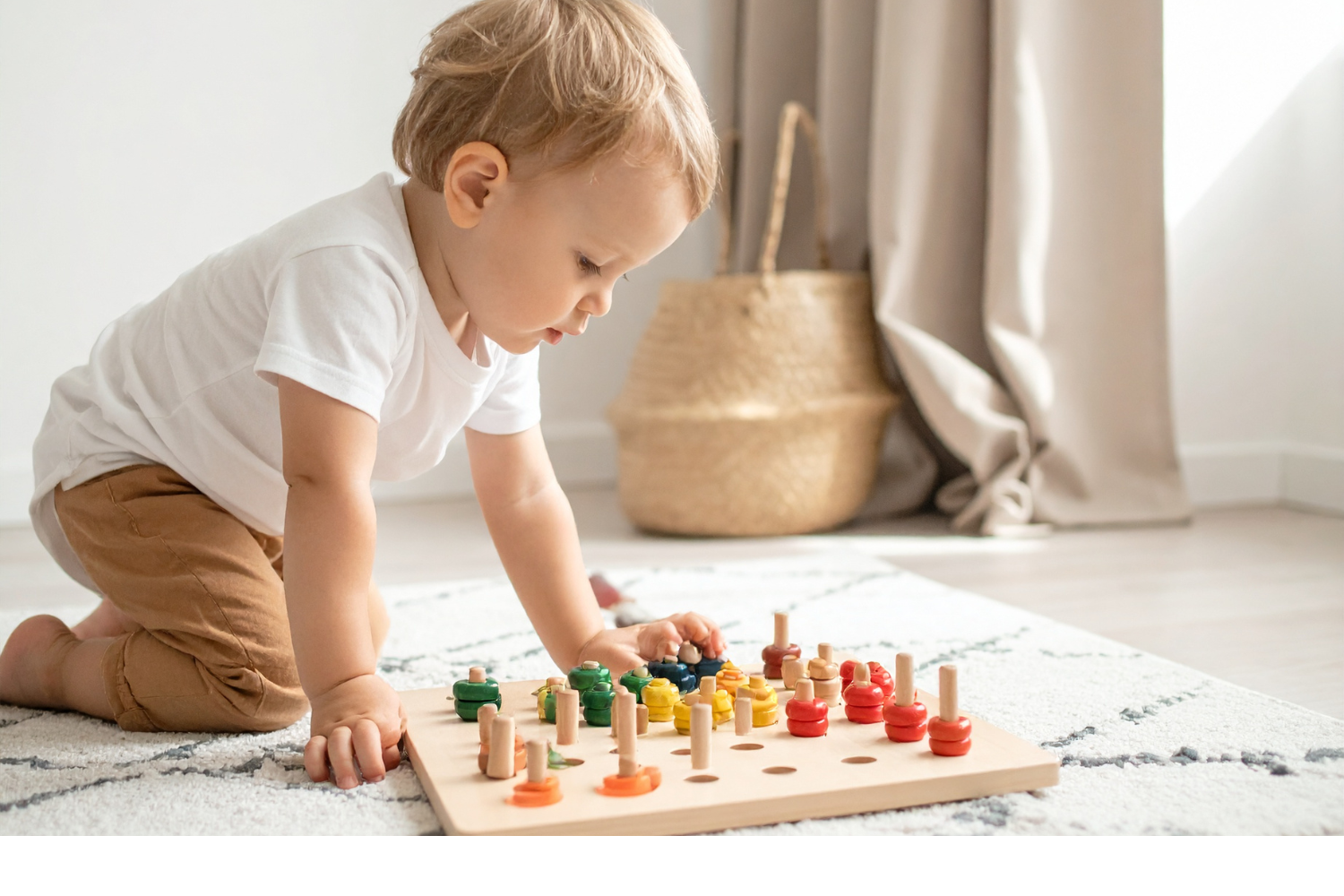
You can teach them how to put their toys away. If you give them more than one or two toys to play with at a time, they'll struggle to put them all away. Instead, give them one or two toys to play with, and when they are finished, exchange them for two more.

Start them in the habit of picking up after themselves when they are tiny, so they don't think about not picking up after themselves when they are not tiny.

Give them plenty of childproof space to roam in. A child raised competently can occupy himself for up to an hour at a time by the time they are 3 - 3 ½. This should be your aim. You do not need to be your child's 24/7 playmate—that's exhausting! 

Play with your child when you feel like it or when you sense they need you, but let them learn how to play by themselves too.  For most of their lives they'll have to figure out how to spend their time, and the sooner they learn how to do this, the easier and more rewarding their lives will be. 

The habits we form from childhood make no small difference, but rather they make all the difference.
— Aristotle

INTELLIGENT PRECAUTIONS

Keep your children off of screens. You would not let your child jump out a window because he would hurt his body, and sometimes irreparably. In the same vein, you do not want to allow your child to do things that will damage his developing brain, sometimes irreparably. 

Maybe an hour of screen use a day won't hurt him, but at the end of one year, that's 365 hours that could have been spent learning a skill, such as a foreign language, a musical instrument, or a sport.

It's also an hour a day he could have spent reading hundreds of books over the years that would develop his language skills and expand his mind. 

At the end of 10 years, that  3,650 hours, which would put him at an intermediate or advanced level in any skill he attempted to improve upon. 

And that's only one hour a day!

NO SCREENS IS EASIER!

The reason I am a proponent for no screen time is because an hour a day, or even 10 minutes a day, of screen time will probably not be fatal, but it does open the door for constant discussions and arguments that will develop around screen use.

And it’s the stress of it all that I'm opposed to because it undermines your parent/child relationship. So why bother, especially when screens are so harmful to your children?

By harmful, consider the retardation of neural connectivity in the brain, less knowledge, poor social skills, poor emotional regulation, obesity, eye damage, and other health-related issues, decreased mental health with an increase in depression and anxiety. 

It’s also a bad habit they develop, when they could develop a good habit instead.

It is impossible, or not easy, to alter by argument what has long been absorbed by habit
— Aristotle

In addition to no screen time, other than the odd well-selected film now and then—and only after they have developed a reading habit—if you can delay school, or even homeschool until your child is about seven, then you will be well on your way to raising a creative child. 

And children who are creative and can think independently will be the adults who are in demand tomorrow. Because until we bring about a significant change in how we raise children, there will continue to be a dearth of creative, independent-thinking innovators. 

And, as long as the world keeps turning, we will always need creative, independent-thinking innovators. 

Don’t miss your free download:

Get a copy of Liz’s “could not homeschool without” book, Education’s Not the Point: How Schools Fail to Train Children’s Minds and Nurture Their Characters with Essays by John Taylor Gatto and Dorothy Sayers.

Buy now

About Elizabeth Y. Hanson

Liz Hanson helps parents raise and educate whole children by bridging timeless wisdom with modern research.

As an educator, writer, and Love and Leadership Certified Parenting Coach with 23 years of experience, Liz specializes in guiding families through the transformative early years and the homeschooling journey. After successfully homeschooling her own children, she now devotes her expertise to helping other parents get it right from the start.

Liz is a homeschooling thought-leader, as well as the creator of three unique online courses:

Whether you're navigating early childhood, considering homeschooling, or wanting to nurture a genuine love of learning in your child, Liz offers practical guidance rooted in proven principles.

One-on-one consultations available.

"I know Elizabeth Hanson as a remarkably intelligent, highly sensitive woman with a moral nature and deep insight into differences between schooling and education. Elizabeth's mastery of current educational difficulties is a testimony to her comprehensive understanding of the competing worlds of schooling and education. She has a good heart and a good head. What more can I say?”

John Taylor Gatto Distinguished educator, public speaker, and best-selling author of Dumbing Us Down: The Hidden Curriculum of Compulsory Schooling. For a copy of The Short Angry History of Compulsory Schooling, click here.
Some Scary Facts About Public Schools You May Not Know

During the last few years of his life, John Taylor Gatto and I exchanged a good number of emails, and in one of those emails, for the first time, I believe, he wrote emphatically that it was time to get our children out of government schools. 

Until then, he painted the picture of why we should get our children out of government schools, but he never told the parents what to do.

School is a twelve-year jail sentence where bad habits are the only curriculum truly learned. I teach school and win awards doing it. I should know.
— John Taylor Gatto

That email exchange happened eight years ago. Things are far worse today than even John could have imagined. 

Here are a few facts about schools to illustrate just how urgent the situation has become: 

PORNOGRAPHY

Sixty-nine percent of male adolescents and 39% of females watch pornography. 

My friend enrolled her son in high school, and he was considered odd because he was the only boy who had never watched pornography. He discovered that it was the latest “in” thing to do.

I’m assuming you’re aware of the increase in pornography use amongst youth and the negative impact pornography can have on your child, but if not, you can check out this FACT SHEET.

EXPOSURE TO SEX

About half (54%) of adolescents age 15-19 have had some type of sexual experience.

Your child might be exposed to early sexual experiences you may not approve of. Check out this article to read the stats about what teens are up to regarding cardinal pleasures. 

TRANSGENDER PHENOMENON

Youth aged 13 to 17 comprise 25.3% of those who identify as transgender (aged 13 and older) compared to 7.7% of the U.S. population.

Why are so many of our youth now claiming to be transgender

And please spare us the line that our youth "feel safer to speak out now."

Rubbish.

When I was growing up, no one had trouble understanding their gender. If it was simply a matter of being free to speak out, they would have spoken out by now. 

Here's an interesting article that sheds light on how government schools are a breeding ground for the transgender craze.

ILLITERACY

By the time a child reaches his teens, his chance of reading for enjoyment drops to 12%, yet reading is the key to a good education. 

The US literacy rates are no longer an accurate indicator because the standards no longer reflect true literacy.  When half the population cannot read at or above a sixth grade level, we have a problem.

Government schooling made people dumber, not brighter; made families weaker; ruined formal religion with its hard-sell exclusion of God; set the class structure in stone by dividing children into classes and setting them against one another; and has been midwife to an alarming concentration of wealth and power in the hands of a fraction of the national community.
— John Taylor Gatto

The Price We Pay for a Tax-Dollars’ Education

Putting children into public school is a gamble you take, and you better be prepared to lose, because 75% of parents do lose.

I base that number on a study done in the Christian community where 75% of public school children no longer share the beliefs of their parents by the time they graduate from high school. 

When children are being educated in a system that does not share the family’s values and beliefs, and then they are influenced by peer-pressure, it is no wonder that 75% of them will adopt the values and beliefs encouraged in the system.

To be nobody but yourself in a world which is doing its best, night and day, to make you everybody else means to fight the hardest battle which any human being can fight; and never stop fighting.
— E.E. Cummings

A Low-Cost Alternative to School

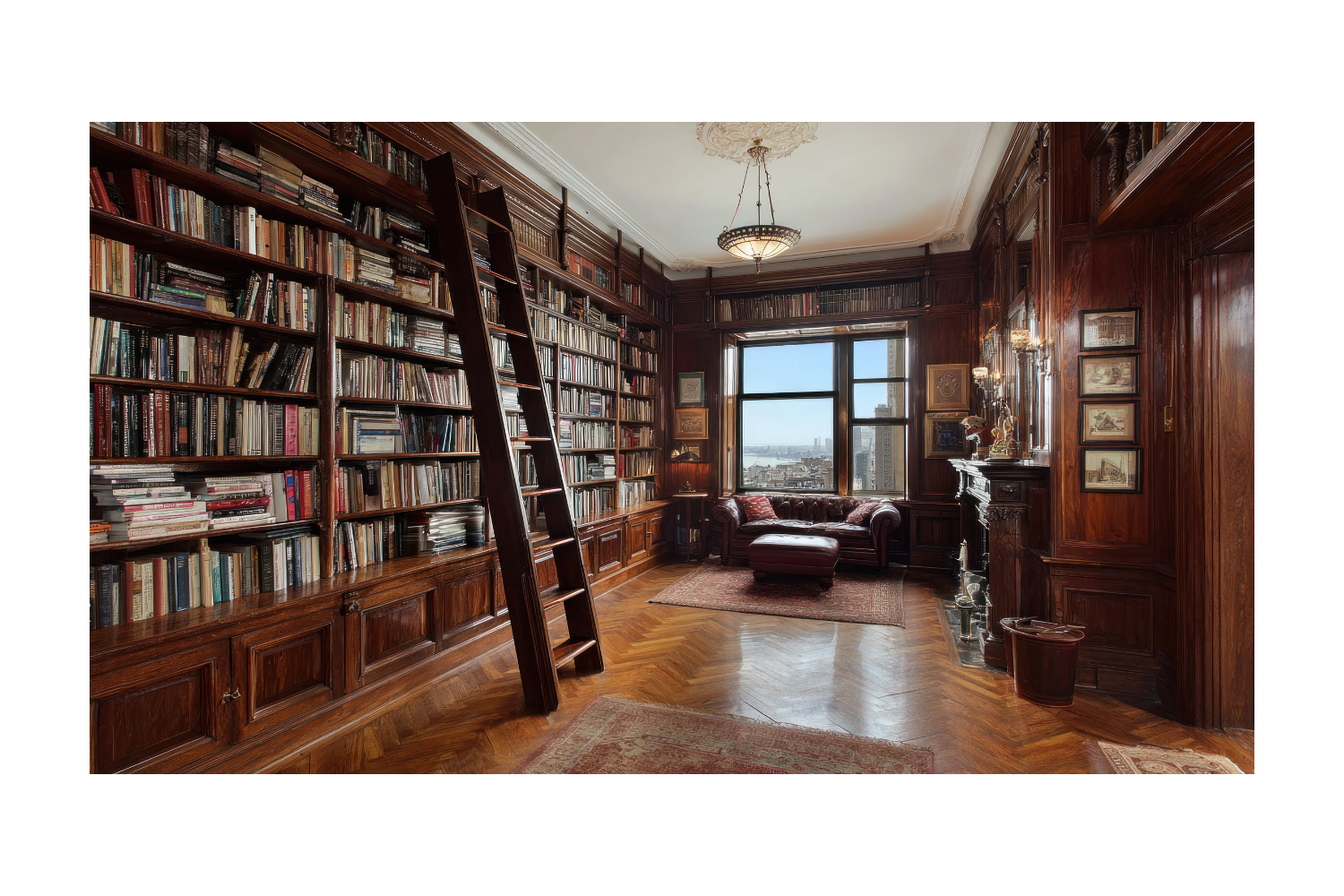
Homeschooling is the obvious answer, but what if you can't homeschool? Personally, I would sit my kids down in a room full of excellent books and tell them to read anything they want for as long as they want. 

In addition to that, I would give them household chores, put them into volunteer programs, and have them develop a minimum of at least one skill to an advanced level, such as a sport, musical instrument, or foreign language.

Then, I would sit back and watch them bloom. 

Oh, I would teach them a few manners too. "Yes, please," and "no, thank you" will work wonders for their social and emotional development. 

In 10 years, they'll emerge, kinder, wiser, more skilled, and better read than most adults you'll meet, not to mention their schooled peers. 

Children allowed to take responsibility and given a serious part in the larger world are always superior to those merely permitted to play and be passive.
— John Taylor Gatto

To raise excellent children, keeping them in a bubble for as long as possible is a good place to start. By the time they witness any of the aforementioned behaviors, their heads will have been screwed on so tightly that they'll see things for what they are.

The last thing they'll ever be confused about is their gender, because they’ll be too wise and self-assured to fall for such craziness.

Don’t miss your free download:

Get a copy of Liz’s “could not homeschool without” book, Education’s Not the Point: How Schools Fail to Train Children’s Minds and Nurture Their Characters with Essays by John Taylor Gatto and Dorothy Sayers.

Buy now

About Elizabeth Y. Hanson

Liz Hanson helps parents raise and educate whole children by bridging timeless wisdom with modern research.

As an educator, writer, and Love and Leadership Certified Parenting Coach with 23 years of experience, Liz specializes in guiding families through the transformative early years and the homeschooling journey. After successfully homeschooling her own children, she now devotes her expertise to helping other parents get it right from the start.

Liz is a homeschooling thought-leader, as well as the creator of three unique online courses:

Whether you're navigating early childhood, considering homeschooling, or wanting to nurture a genuine love of learning in your child, Liz offers practical guidance rooted in proven principles.

One-on-one consultations available.

"I know Elizabeth Hanson as a remarkably intelligent, highly sensitive woman with a moral nature and deep insight into differences between schooling and education. Elizabeth's mastery of current educational difficulties is a testimony to her comprehensive understanding of the competing worlds of schooling and education. She has a good heart and a good head. What more can I say?”

John Taylor Gatto Distinguished educator, public speaker, and best-selling author of Dumbing Us Down: The Hidden Curriculum of Compulsory Schooling. For a copy of The Short Angry History of Compulsory Schooling, click here.