Are You Maximizing Your Child's Natural Genius?

Throughout history, there are stories of the influence of a mother in the life of an accomplished figure. 

Thomas Edison was one of them, as your child may be too. His mother, Nancy, pulled him out of school after he was labeled "addled" by his teacher. Mrs. Edison was told that her son could not think clearly. He was only eight years old. 

What an unjust misdiagnosis for an eight-year-old who had entered school for the first time. Fortunately, his mother ignored the teacher's assessment, and Thomas would grow up to be known for inventing many things, including the incandescent light bulb.

When he died, he would leave behind over 1000 patents to his name!

Fast forward to today, where many mothers are allowing the medical industry to medicate their children and label them with "learning disorders" because of similar complaints. 

A friend told me something awful happened in his apartment building. A tenant committed suicide, and the odor of a rotting body was permeating the hallway, but it took a week for anyone to call the police department. 

It's the decision not to act sooner that struck me because it is a strange phenomenon amongst us mortals. We know something is wrong, but we don't want to face it because it feels too overwhelming.

Or maybe we think people will laugh at us for thinking that there "may" be a dead body in one of the apartments. Or maybe we just don’t want to get involved.

Yet, this person told me the residents that week were unusually quiet about the stench; no one mentioned it, but they all suspected the worst.

For many parents, questioning our institutions feels overwhelming. Who are we to know better than a doctor or a teacher? We ignore the stench of over-medicating and dumbing down our children, and we bank on everything turning out fine. 

But Gen Z tells a different story. Gen Z, according to neuroscientist and educator Dr. Jared Cooney, is the first generation to under perform in modern history.  Gen Z under performs previous generations of the same age on every "cognitive measure." 

These measures include basic attention, memory, literacy, numeracy, executive functioning, and general IQ. In other words, Gen Z is a medicated and dumbed-down generation.
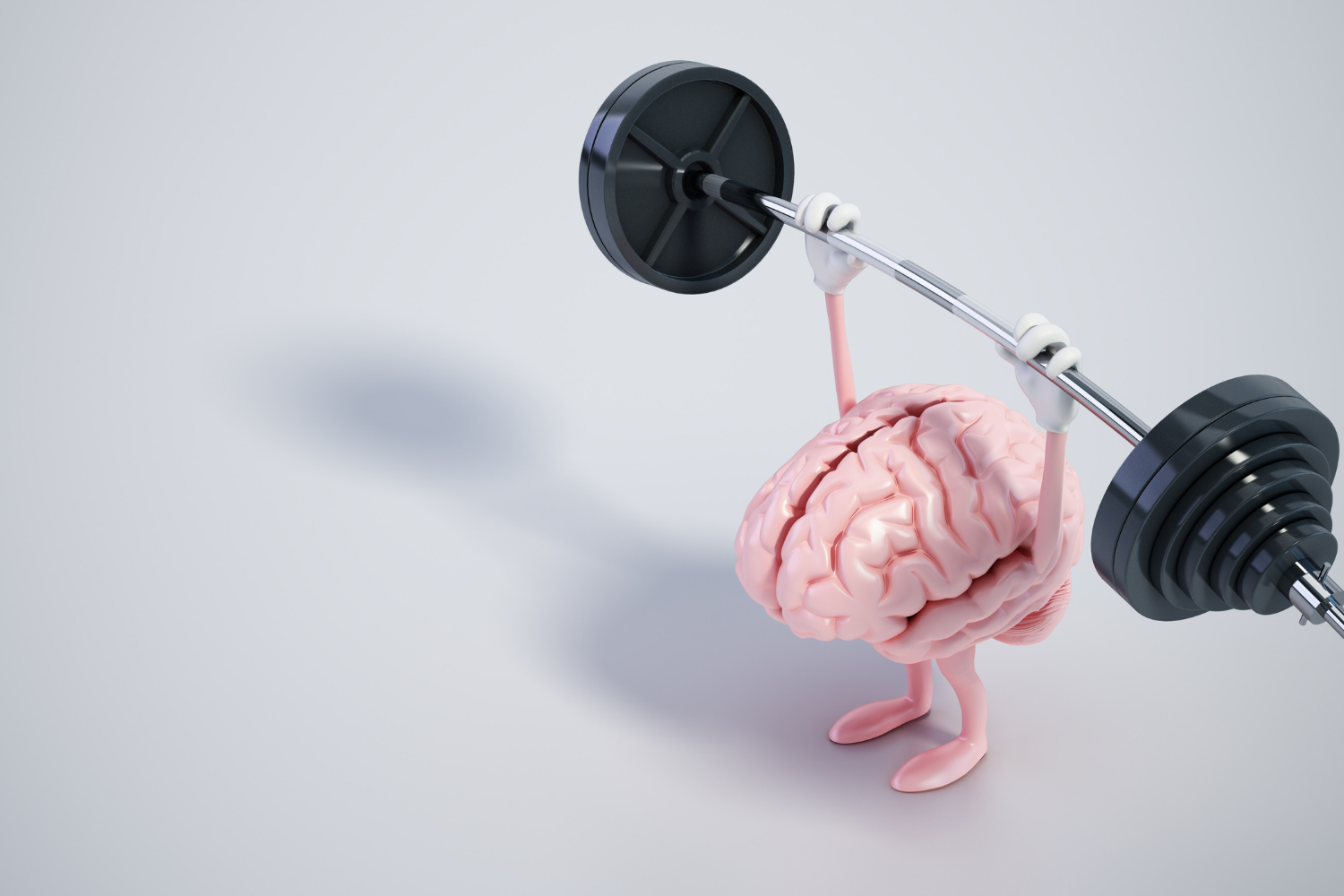
What contributes to higher cognitive measures? An ability to sustain focus and attention, strong memories, competence in reading, writing, and speaking, emotional maturity, and numeracy. 

These measures are things children no longer develop and learn in school or at home, unless they are true homeschoolers

How many Edisons were lost to a system that dumbs down our children, and what does this mean for the individual, our families, and our future?  

Dr. Cooney goes on to say that the decline in cognitive development is due to the ed-tech industry, and he is absolutely correct. We know online learning does not work, but still the ed-tech companies and the US government promote it as a viable means of education. 

If we know anything about how the US government works, it is that corporate greed pulls the strings. The Covid epidemic conveniently forced the majority of US schoolchildren into virtual schools, and homeschoolers, for some odd reason, jumped on board too. 
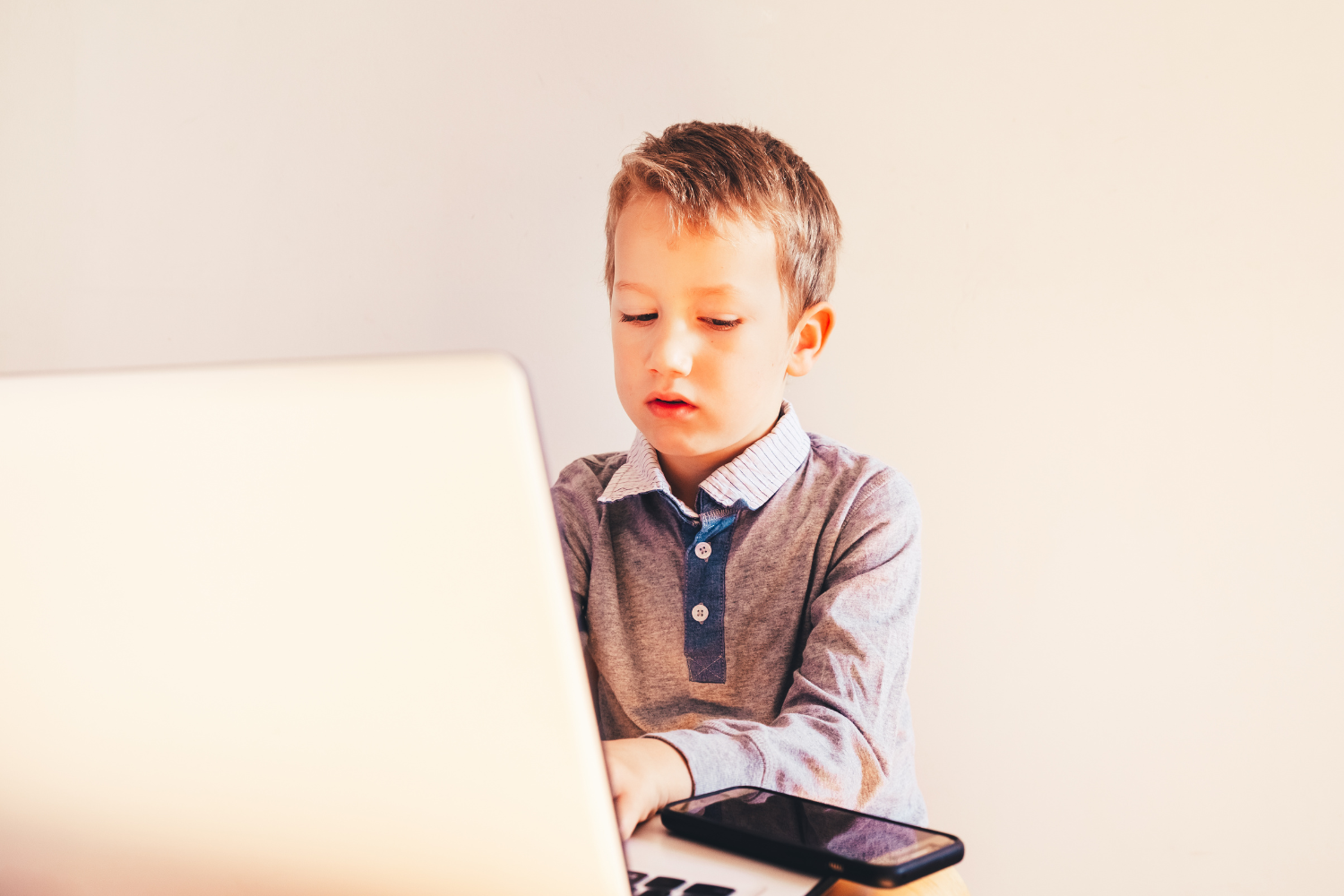
Parents have their children sitting in front of computers instead of reading real books and having real-life experiences. Online learning is not homeschooling; it's virtual schooling, which is why your child is registered as a "public" school student. 

We can name things anything we want, but it doesn't change their reality.

How would Thomas Edison have fared if his mother had signed him up for the K-12 online education? He would have been doing online busywork in the name of an education, and then he probably would have spent his afternoon playing video games. 

One thing is for certain: Edison would have had no time left to think about the complexities of inventing a light bulb. He probably wouldn't have had the creative bandwidth either.  

But the tech industry is not the only one to blame. There is a lot of money being made by convincing mothers that "having a life" means going back to work and paying exorbitant fees to enroll their children in early education centers of "learning." 

Nancy Edison said no to school, and she homeschooled her son. No early education centers, no online learning, just real books and real life. 

Each child is a potentially budding genius. Some children learn some things faster than others, but all healthy children have the potential to develop their minds to a very high degree. 
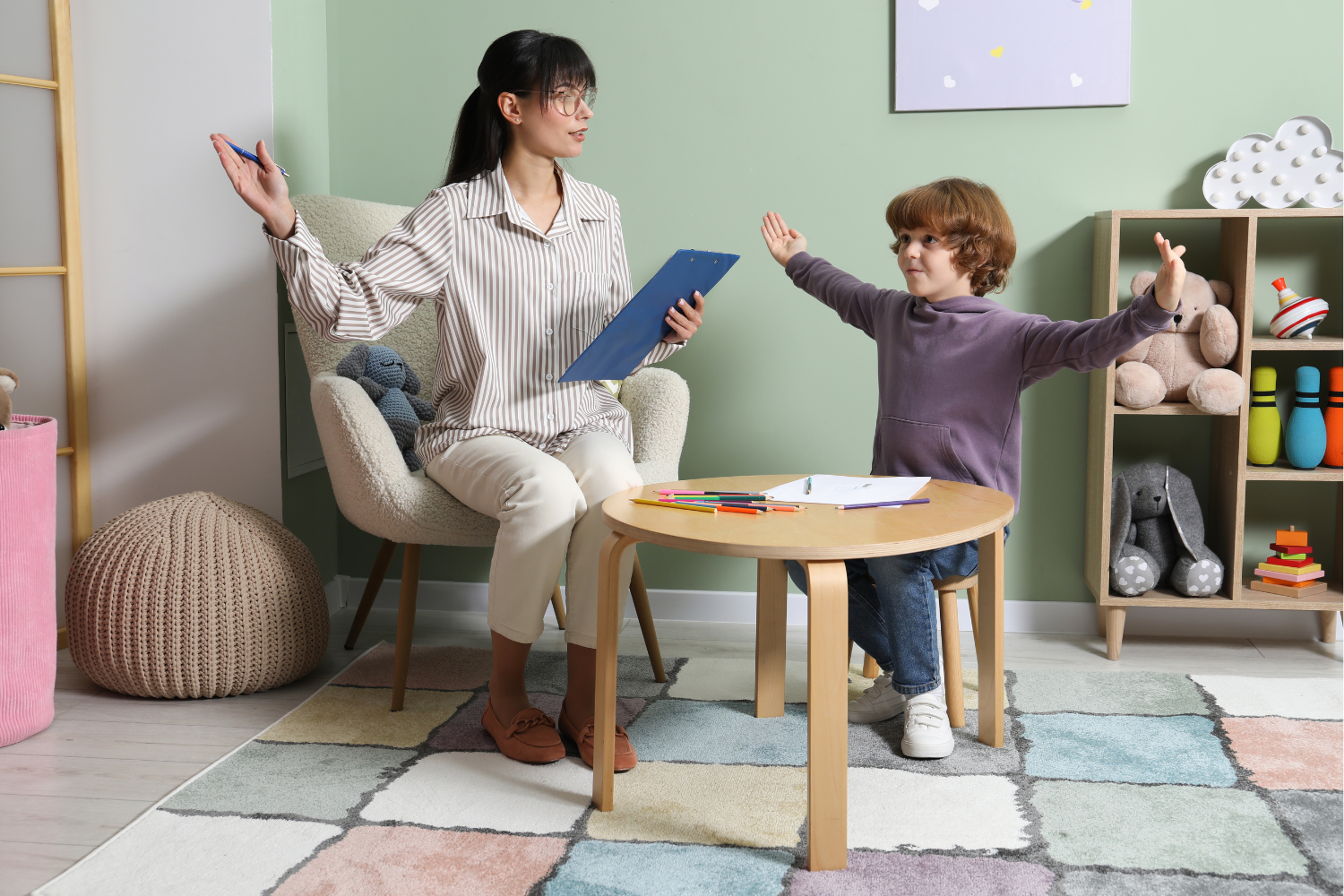
Much of it depends upon the parents and the kind of choices they make for their children during their childhood and educative years. 

As parents, we can change our future's trajectory if we stop medicating our children and putting them into daycare, early education centers, and government-funded educational programs (schools, virtual schools, charter schools). 

Even with homeschooling, not everyone will become a Thomas Edison; however, a generation of true homeschoolers would turn the tide on the dumbing down of America's children. 


Not sure what kind of books to buy your children? Get Liz’s list of 10 Books Every Well-Educated Child Should Read: CLICK HERE.

Get a copy of Liz’s “could not live without” book, Education’s Not the Point: How Schools Fail to Train Children’s Minds and Nurture Their Characters with gripping essays by John Taylor Gatto and Dorothy Sayers.

Learn more

About Elizabeth Y. Hanson

Liz helps parents raise and educate , creative, resourceful, and respectful children by combining timeless wisdoms with modern research.

As an educator, writer, and Love and Leadership Certified Parenting Coach, she specializes in guiding families through their children’s early years and homeschooling journey.

Liz is a homeschooling thought-leader, as well as the creator of three unique online courses:

Whether you're navigating early childhood, considering homeschooling, or wanting to nurture a genuine love of learning in your child, Liz offers practical guidance rooted in proven principles.

She is available for one-on-one consultations as needed.

"I know Elizabeth Y. Hanson as a remarkably intelligent, highly sensitive woman with a moral nature and deep insight into differences between schooling and education. Elizabeth's mastery of current educational difficulties is a testimony to her comprehensive understanding of the competing worlds of schooling and education. She has a good heart and a good head. What more can I say?”

When Is Online Learning Recommended for Kids?

It is physically, emotionally, and intellectually superior to teach your kids without computers.

Yet, there are times when we can justify online learning for our kids, but these times should be the exception, not the rule.

The Problem with Screen Use

Sitting in front of a computer for long periods during the day is unhealthy, regardless of age. Yet, it is even worse for children because they are still developing the habits which will become their way of life. 

Their brain is also developing and needs exposure to environments that don’t hinder its development. 

We want our children to be physically active, socially competent, and intellectually sharp.

To accomplish these goals, we need to put our children in environments where they learn to enjoy physical activity, engage socially with people of all ages, and develop their minds, including their memory, which is a vital component of intelligence.

IT'S ALL ABOUT HABITS

Yet, a child who develops the habit of sitting in front of a computer for long periods during the day is not getting physical activity, social stimulation, or developing his memory. 

He is developing the habit of using the computer, which requires almost no moment on the user's part. It is an anti-social activity requiring no social skills and virtually no use of our memory.

As one young person said, "Who needs a memory when we have all the information we need at a push of the key?"

Neurologist and Oxford professor Baroness Susan Greenfield believes that video game addiction can cause a form of what she describes as “dementia” in children.​

Given that our memories are a part of our brains and that a good memory is always present in highly intelligent people, it would be prudent to develop and protect our memories by using them. 

We don't want to waste our or our children's minds sitting in front of screens tapping keys.

The Social Factor

Another parent noted that "online pupils tend to abandon manners that most would adhere to in the classroom."

One of the concerns, when a family is considering homeschooling, is the social factor. "Will my child develop good social skills?" Yet, we put our kids in front of computers and call that homeschooling without connecting the dots. 

Online learning is not homeschooling; it is anti-social schooling. 

Kids growing up in anti-social environments will most likely become anti-social adults. Online homeschooling, with kids sitting in front of computers for too many hours per day, will produce anti-social kids.

Developing social skills and learning to enjoy other people's company is a result of

1) being taught manners when young, so we don't offend others, and

2) having ample opportunity to practice social skills, so we learn to be comfortable and confident in social situations.

We also learn to enjoy the company of other people, and we discover much about ourselves by interacting with others. 

We are social creatures; living these technology-consuming, anti-social lives is unnatural!

Dumbed-Down Schooling

An in-person teacher provides a socially-active environment for children where they engage and develop their social skills. A teacher also creates an intellectually-stimulating environment for children where they can ask questions and search for answers. They hold books and learn to read well so they can tackle subjects independently.

If we aren't raising kids who know how to ask the right questions, who know how to find the answers, who know how to teach themselves, then, as Dorothy Sayers said in her essay on education, "...whatever instruction fails to do this is effort spent in vain." 

Online learning is effort spent in vain.

Steve Jobs was not a proponent of tech in the classroom. His kids read real books.
— EYH

Even Steve Jobs was on to the problem with technology and children. Have you read his interview about it in the New York Times?

Lastly, let me briefly mention the ill effects of screen use on our physical, emotional, and intellectual health, according to the Mayo Clinic:

  • Obesity

  • Inadequate sleep schedules and insufficient sleep

  • Behavior problems

  • Delays in language and social skills development

  • Violence

  • Attention problems

  • Less time learning

With attention problems also comes learning problems. Who’s fooling who?

In a 2010 Iowa State University study published in the journal Pediatrics, viewing television and playing video games each are associated with increased subsequent attention problems in childhood.

We know kids have died from blood clots after gaming for too long. We want to protect our kids from the habit of computer use until they are older when they can no longer avoid it. Hopefully, they'll be able to exercise sound judgment and self-control by then. 

When can we let our kids learn online?

We can let our kids learn online when we have exhausted all other options. 

Below the age of nine, I would not let my child near a computer. The brain is still in a crucial stage of development until a child reaches adolescence, when the brain does a self-pruning of any weak pathways. 

Age Nine

At nine, I would make an exception and let my child study Latin for half an hour online, one day a week. The rest of the week, I would do my best to help my child study, using the lessons for instruction and inspiration.

Age 13

Around the age of thirteen, if there were any subjects my child needed, such as more advanced mathematics, and I could not teach them, I would hunt high and low for a teacher.

I would try to find other homeschooling parents who might understand the subject and could teach my child. I might ask qualified neighbors or put an ad up in a local bookstore for a tutor. I would do everything I could to find a natural teacher.

In a 2015 University of Utah School of Medicine brain imaging study published in the journal Addiction Biology, brain changes were measured in video gamers that are correlated with increased distractability, impulsivity (hallmarks of addiction and ADHD), schizophrenia and autism

Once I had exercised all options, I might look online if I still could not find a teacher. But my goal would be to keep my child off the computer if I could help it, and if I could not help it, to restrict online learning as much as possible.

Age 16

If my child were older, say 16, according to my state's law, I might consider graduating him from high school and moving on to college or dual-enrollment in our local community college. 

College is our best option for an older child when in-person teachers are unavailable.

☞ Disclaimer: This is not a politically-correct blog.

Don’t miss our free download, Ten Books Every Well-Educated Child Should Read.

When you join the Smart Homeschooler Academy online course for parents, I guide you in homeschooling with the classics to raise intelligent children without computers. You can enroll using the link below and be confident knowing you can and will homeschool successfully.

For parents of children under age seven who would like to prepare their child for social and academic success, please begin with our online course, Raise Your Child Well to Thrive in Life and Excel in Learning.

Elizabeth Y. Hanson is an Educator, Homeschool Emerita, Writer, and a Love and Leadership Certified Parenting Coach with 20+ years of experience working in children’s education.

Utilizing her unusual skill set, Elizabeth has developed a comprehensive understanding of how to raise and educate a child. She devotes her time to helping parents get it right.

She is available for one-on-one consultations as needed.

If you are "Homeschooling," You May as Well Homeschool

board with chalk.png

Here are some points to consider now that your children are home, and you are expected to homeschool them.

Even if you were already homeschooling, these points will serve as a good reminder of the advantages to homeschooling.

A Real Homeschooler

A "real" homeschooler does not enroll their child into a state-funded program because you understand that it's an oxymoron. You cannot homeschool and have your child enrolled in public school at the same time. They are two different approaches to a child’s education.

In other words, your are either homeschooling your child or you are not homeschooling him. And the reality is that if he is in an online program, you are not homeschooling.

He's public-schooled at home and classified as such by the state. 

Furthermore, enrolling your child in a public-schooled at home program defies the benefits to a homeschool, which are many.  It’s crucial that you understand these differences so you can make an informed decision for your family that will serve your family in the highest way.

Freedom of Choice

For starters, you want to exercise your freedom of choice regarding your child's education. You want to be free to choose when you teach, where you teach, what you teach, and how you teach and for how long you teach. 

vacation chairs beach.png

You also want the freedom to take vacations when you want to take vacations. Vacations are very important when you are homeschooling!

When You Teach

Not all children are ready to learn all things at the same time. One of the benefits of homeschooling is to start your child when he is mature enough for formal training, and you want to let him go at his own pace.

Allowing your children to go at their own pace, teach them to compete against themselves, which fosters an independent and self-motivated spirit. It also allows them to soar ahead when the material grabs their attention or just because they can. 

It's common for homeschooled children to be above their grade level in subjects for this very reason. The system is not tethering them to mediocrity. 

What You Teach

Educate your child with books, not on a computer. Raise them to treasure the feel of a book, the smell of a book, the content of a book.

Make reading their habit, not staring at a computer screen, which is both bad for the brain and bad for the eyesight, not to mention one's overall health (think childhood obesity). 

Expand their minds with the original writing of great men and women who have made major contributions to Western civilization instead of watching sound bites by people who regurgitate what has already been regurgitated many times before. 

social media boxes.png

Educate your child to know that they can learn anything they put their mind to learning. There are few limitations to discovering the universe of the mind for a child who is raised to understand that he is capable of so much more. 

How You Teach

When you homeschool your children, they are not stuck in a regime of boring classes that consume the better part of their day.

A real homeschooling day is much, much shorter than this leaving the child time for leisure activities to help him discover who he is and what motivates him in life; to contribute towards making him a person who is interesting to others rather than a good imitator of the latest ill-mannered sitcom character. 

Where You Teach

When you are homeschooling, you can teach your child anywhere because the world is his classroom. Establish a homeschool room in your house with a desk where he can write. Let him read in the living room, let him do science and art outdoors.

Take him on road trips to learn history, travel the world with him. There is no limitation to where you can teach a homeschooled child. You can teach him anywhere, no computer needed.

These are just a few of the characteristics of a real homeschooled education. If you choose to use an online program, understand that for all intent and purposes, your are not homeschooling your child.

Despite the fancy rhetoric, he gets classified as a public schooled student by the government, with all due respect, like all the other bricks in the wall as Pink Floyd so fittingly put it. 

If you haven't seen it already, do not miss this video clip!  https://www.youtube.com/watch?v=TjrfuDAEl10.

In a nutshell, bring your children offline and into the real world of learning. Resist the pull to depend upon the state for support by assuming responsibility for your child's education, and lastly, enjoy it.

Homeschooling is a marvelous lifestyle!

Homeschool the smart way by joining the Smart Homeschooler Academy to learn how to give your child the best of an elite education at home.

How to Raise a More Intelligent Child and an Excellent Reader—a free guide and book list with over 80+ carefully chosen titles.Elizabeth Y. Hanson is an educator, veteran homeschooler and a Love and Leadership certified parenting coach with 17 years experience working in children’s education.

Using her unusual skill set, she has developed a comprehensive and unique understanding of how to raise and educate a child, and she devotes her time to help parents get it right.

Disclaimer: This is not a politically correct blog.